

Net Weight Filling Machine: Precision Mass-Based Filling for High-Value & Bulk Industrial Liquids
2026-09-03 08:32:43
admin
0
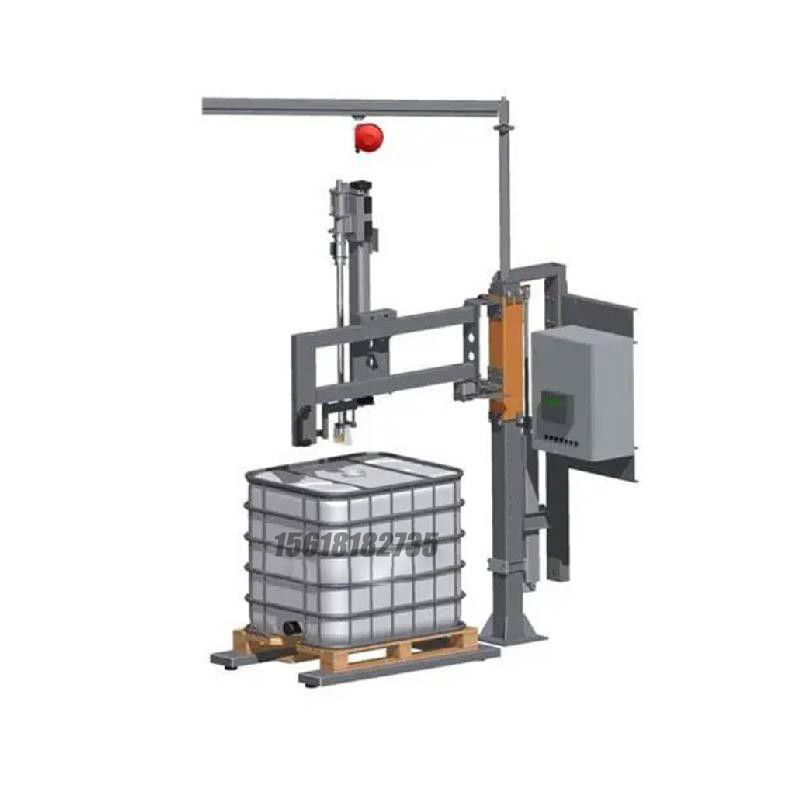
Most conventional filling machines calculate dosage by volume, flow time, or mechanical displacement, which struggle to maintain accuracy with temperature fluctuations, density variations, or aerated liquids. Volumetric errors often lead to under-filled non-compliant products or over-filling waste, especially for high-value oils, chemicals, and bulk industrial liquids. Manufacturers face strict regulatory net weight labeling standards and profit losses from inconsistent dosing, while traditional fillers cannot compensate for fluid property changes. No previous filling technology delivers true mass-based precision tailored for heavy-duty and premium liquid production. This Google E-E-A-T compliant SEO article focuses exclusively on net weight filling machines, a specialized weight-driven filling solution built for regulatory compliance and zero-waste industrial packaging.
A net weight filling machine is a high-precision industrial filling system that measures product dosage by actual mass instead of estimated volume. Unlike gravity, pump, or rotary fillers that rely on fluid dynamics or mechanical rotation, it integrates high-sensitivity load cells at every filling station. Each container is tared automatically before filling, eliminating tare weight interference and guaranteeing accurate net product mass. Equipped with anti-vibration weighing modules, dual-speed flow control, real-time data logging, and industrial PLC systems, it adapts to thin liquids, medium oils, and suspended chemical solutions. This weight-first design remains unaffected by temperature shifts, foam generation, or minor flow turbulence, delivering stable, audit-ready filling accuracy for commercial and regulatory requirements.
Working Principle of Net Weight Filling Machines
Net weight filling equipment adopts independent load cell sensing and closed-loop weight feedback control, featuring a unique mass-verified filling mechanism unmatched by volumetric systems. Core components include precision weighing sensors, automatic tare reset units, fast/slow dual-speed valves, anti-shake container platforms, and data recording controllers.
During automated operation, empty containers are placed on dedicated weighing platforms, and the system instantly resets tare weight to isolate pure product mass. The machine initiates fast-flow filling to boost production efficiency. As the weight approaches the preset target, the system switches to slow micro-dosing to eliminate overshooting. Load cells transmit real-time weight data to the PLC for continuous feedback adjustment. Filling stops immediately once the exact net weight is reached. Every filling cycle records precise weight data, enabling full production traceability. Vibration-dampening structures filter environmental interference to maintain accuracy in busy factory environments.
Core Industrial Advantages
True mass-based metering and intelligent dual-speed control deliver exclusive industrial production benefits:
Temperature & Density Immunity. Unlike volumetric fillers affected by fluid density changes, net weight technology maintains consistent accuracy regardless of temperature fluctuation or liquid composition variation.
Minimized Material Waste. Precision micro-dosing eliminates over-filling giveaway, significantly saving costs for high-value essential oils, lubricants, and specialty chemicals.
Full Regulatory Compliance. Accurate net weight output matches global packaging labeling standards, avoiding market rejection, fines, and customer complaints caused by weight deviation.
Excellent Bulk Liquid Adaptability. It excels at large-volume filling from 5L to 200L drums and pails, a scenario where traditional small-bottle volumetric fillers fail to maintain stability.
Complete Data Traceability. Built-in data logging records every filling weight, supporting quality inspection, batch analysis, and standardized factory management.
Key Industrial Applications
Net weight filling machines dominate high-precision, regulated, and high-value liquid packaging scenarios:
Lubricant & Petrochemical Industry: Engine oil, hydraulic oil, gear lubricants, and industrial grease liquids sold by strict weight standards.
Fine Chemical Industry: High-purity solvents, premium essences, chemical additives, and corrosive industrial liquids requiring precise dosing.
Food & Edible Oil Sector: Premium olive oil, sesame oil, blended cooking oil, and bulk syrup products with strict weight compliance rules.
Agrochemical Industry: Liquid pesticides, fertilizer solutions, and agricultural chemicals that demand accurate batch dosing for efficacy and safety.
Limitations & Selection Tips
Net weight fillers require stable, vibration-free installation environments and feature moderate speed compared to high-speed volumetric fillers. Manufacturers should prioritize this model for high-value liquids and bulk drum filling rather than ultra-fast small-bottle mass production.
Common Industry Misconceptions
Many buyers assume weight-based filling is inaccurate. Modern industrial load cells deliver precision within ±0.1%, far exceeding volumetric accuracy for variable-density liquids, fully meeting international industrial and retail standards.
Conclusion
Net weight filling machines fill the critical industry gap of density-independent, compliance-grade liquid filling that volumetric equipment cannot achieve. With true mass-based metering, temperature-resistant stability, zero-waste dosing, and full data traceability, it solves core pain points of regulatory non-compliance and high-value material loss. For chemical, lubricant, edible oil, and agrochemical manufacturers prioritizing precision and standardized quality control, the net weight filling machine is the most reliable, audit-friendly, and cost-effective long-term automated filling solution. (Word count: 900)


