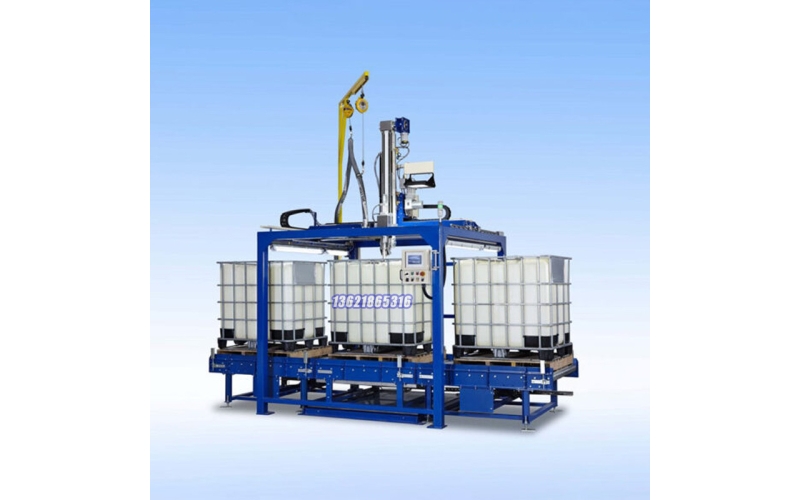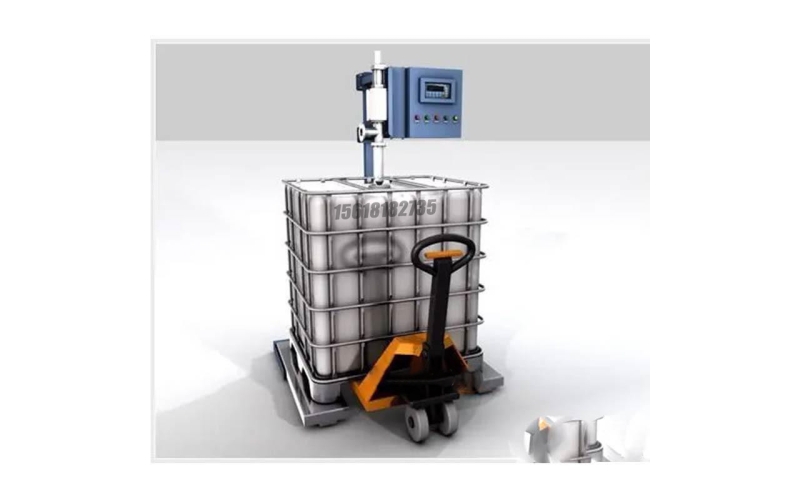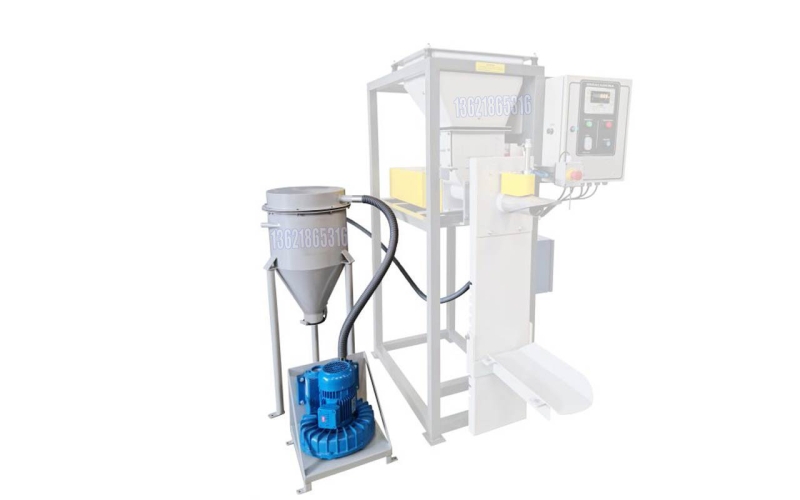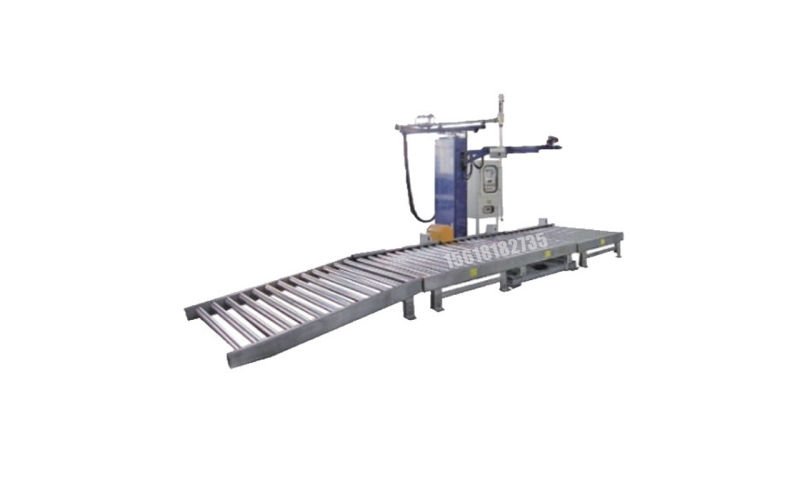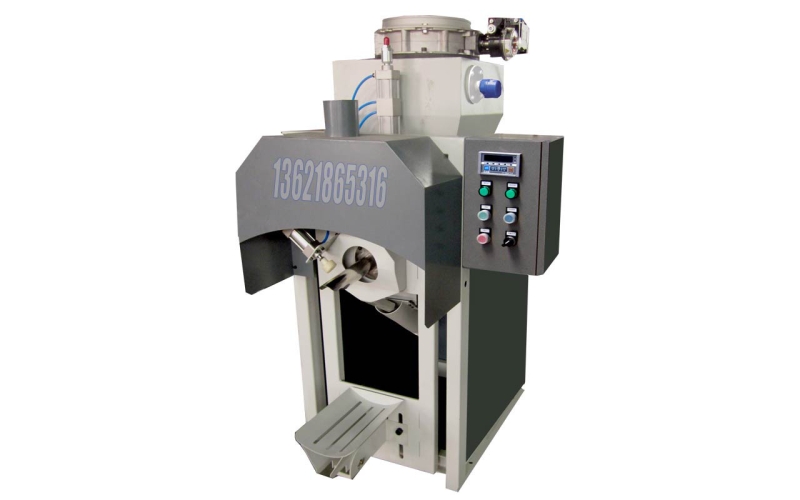
Fully automatic continuous packaging lines excel in ultra-high-volume mass production, yet they are overly costly and inflexible for small to medium manufacturers with variable batch demands. Standard
2026-09-02 admin 4
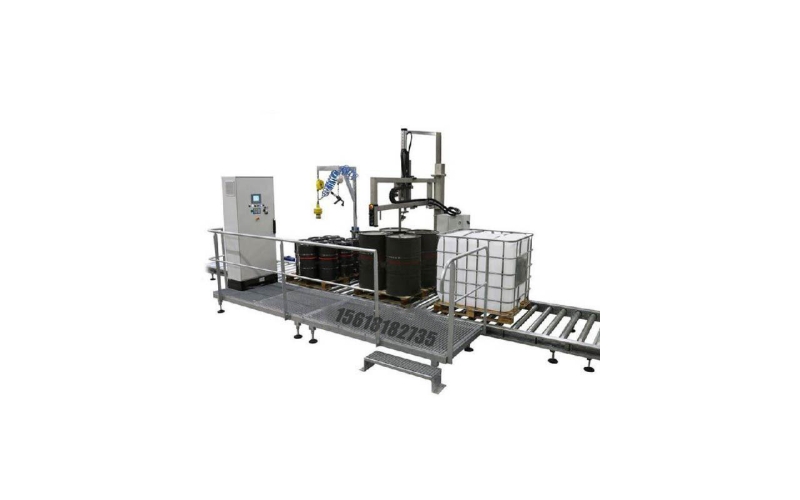
Linear inline filling systems dominate small and medium-batch production, yet they face obvious throughput limitations for large-scale manufacturing. Linear single-row operation processes only a limit
2026-09-02 admin 6
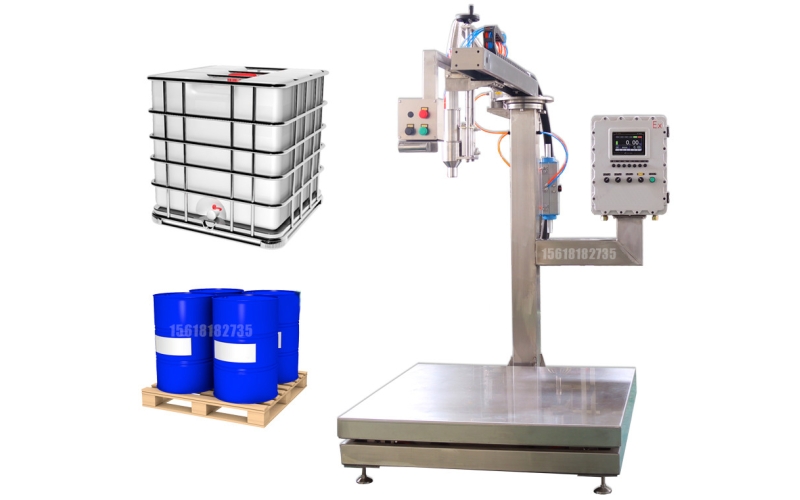
Standard gravity, pump, and vacuum filling machines struggle severely with carbonated beverages and pressurized liquid products. These conventional open filling methods disrupt internal gas balance, c
2026-09-02 admin 7
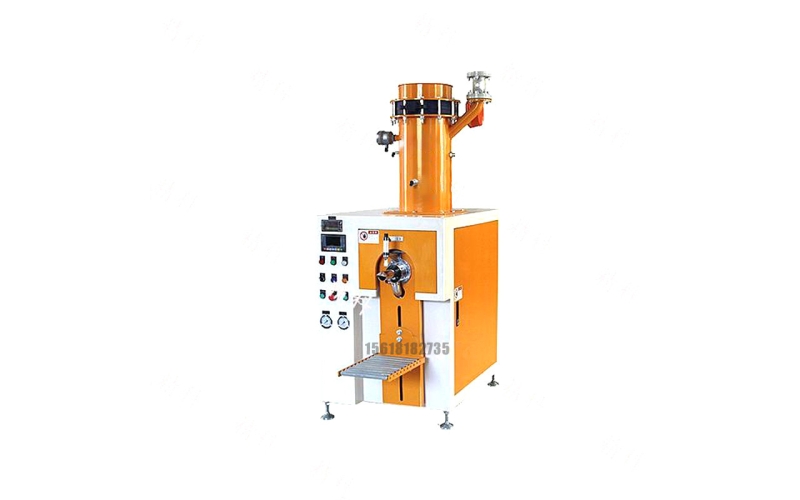
Traditional manual and semi-automatic packaging processes have become major bottlenecks for modern industrial production. Manual packing suffers from slow speed, inconsistent packaging standards, freq
2026-09-01 admin 5
Most standard filling equipment is engineered exclusively for liquid and viscous materials, making them completely incompatible with fine powders, ultrafine dust, and granular powder blends. Liquid fi
2026-09-01 admin 4
Standard liquid filling machines operate at ambient room temperature, which creates major production obstacles for temperature-dependent viscous materials. Products such as honey, wax, thick sauces, o
2026-09-01 admin 4
Most flexible packaging and shrink wrapping machines focus on film-based outer wrapping and sealed pouch packaging, yet cannot handle rigid carton forming, product insertion, and box sealing processes
2026-08-31 admin 5
Most conventional filling machines rely on stainless steel or rubber valve components that suffer from aging, corrosion, and micro-leakage during long-term operation. Metal valves wear down gradually
2026-08-31 admin 3