

Heated Filling Machine: Constant-Temperature Filling for Heat-Sensitive Viscous Products
2026-09-01 08:30:35
admin
5
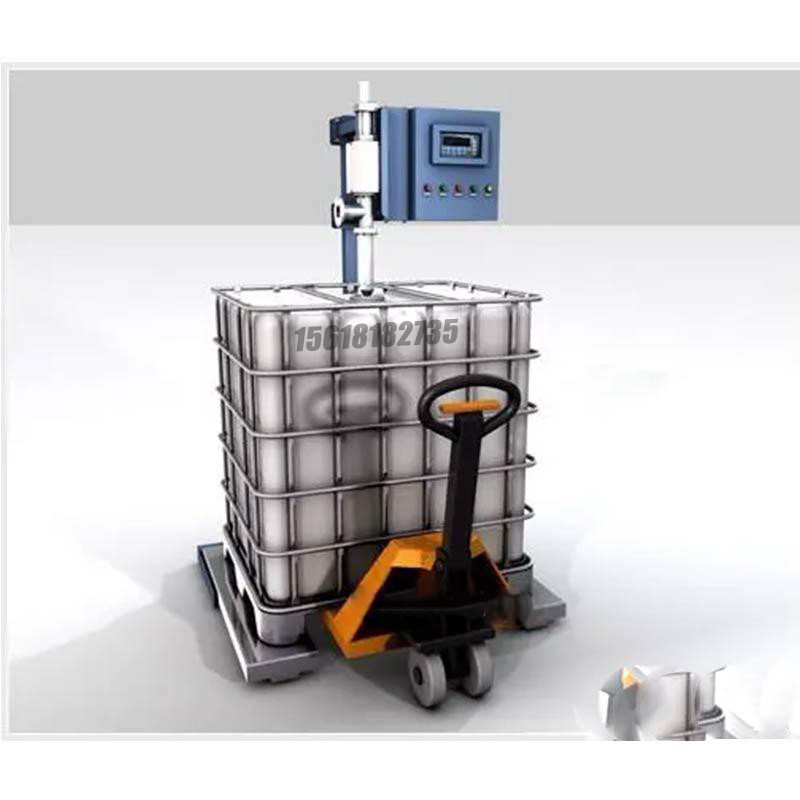
Standard liquid filling machines operate at ambient room temperature, which creates major production obstacles for temperature-dependent viscous materials. Products such as honey, wax, thick sauces, ointments, and cosmetic balms drastically increase in viscosity or fully solidify at low temperatures, causing unstable flow, nozzle clogging, uneven dosing, and frequent machine jams. Many manufacturers rely on manual preheating or external heating tanks, resulting in inconsistent material temperatures, discontinuous production, and fluctuating batch quality. Temperature deviations also ruin product texture, reduce filling accuracy, and generate high waste rates. This Google E-E-A-T compliant SEO article focuses exclusively on heated filling machines, a specialized constant-temperature filling solution never covered in previous guides, built for stable, smooth, and uniform filling of temperature-sensitive viscous liquids and pastes.
A heated filling machine is a temperature-controlled automated filling system integrated with industrial heating and constant-temperature maintenance modules. Unlike ordinary fillers that lack thermal regulation, it features fully insulated heating hoppers, temperature-locked pipelines, and heat-preservation filling nozzles to keep materials within a preset temperature range throughout the entire filling process. Equipped with intelligent PID temperature controllers, real-time thermal sensors, anti-scald insulation layers, servo dosing systems, and overheat protection modules, it melts solidified materials, reduces fluid viscosity, and maintains consistent fluidity. This integrated heating and filling design eliminates temperature-caused blockages and dosage errors, delivering reliable precision filling for high-viscosity, heat-dependent industrial and food products.
Working Principle of Heated Filling Machines
Heated filling equipment adopts constant-temperature thermal insulation and viscosity-stabilized filling technology, featuring a temperature-regulated working mechanism completely different from room-temperature filling systems. Core components include thermostatic heating hoppers, insulated material pipelines, precision temperature sensors, PID intelligent control units, and heat-preservation filling nozzles.
Before production starts, the system heats the material hopper and pipelines to a user-defined temperature suitable for the target product. Thermal sensors continuously monitor real-time temperature data and feed information back to the PID controller, which automatically adjusts heating power to maintain constant temperature without overheating or cooling. Solid or semi-solid materials gradually melt and maintain stable fluidity, allowing smooth, drip-free conveying. During automated filling, servo-driven dosing units execute quantitative filling while insulated structures prevent heat loss. The entire thermostatic cycle ensures material viscosity remains identical across all batches, guaranteeing consistent filling volume, flow speed, and finished product quality.
Core Industrial Advantages
Integrated constant-temperature heating and insulation design delivers unique strengths for temperature-sensitive viscous production:
Stable Viscosity & Consistent Dosing. Precise thermal control eliminates viscosity fluctuations caused by ambient temperature changes, maintaining high filling accuracy all year round.
Zero Clogging & Uninterrupted Production. Continuous heating prevents material solidification and nozzle blockage, reducing downtime and improving continuous production efficiency.
Preserved Original Product Texture. Intelligent constant-temperature heating avoids excessive high-temperature damage, protecting the natural flavor, density, and active properties of heat-sensitive materials.
Reduced Manual Preheating Work. All-in-one heating and filling integration removes the need for external heating equipment and manual temperature adjustment, saving labor costs.
Low Material Waste Rate. Stable fluid flow eliminates uneven filling, overflow, and residual material waste caused by poor fluidity, maximizing raw material utilization.
Key Industrial Application Scenarios
Heated filling machines are essential for temperature-dependent viscous product manufacturing across multiple industries:
Food Processing Industry: Natural honey, malt syrup, thick chili sauce, tomato paste, caramel, and solidifiable edible condiments.
Cosmetic & Personal Care Industry: Body wax, hair removal wax, thick balms, ointment skincare products, and solid emulsified creams.
Daily Chemical Industry: Shoe polish, furniture wax, thermal grease, and temperature-sensitive thick cleaning pastes.
Pharmaceutical Industry: Medicinal ointments, thermal treatment pastes, and semi-solid pharmaceutical preparations requiring stable temperature control.
Technical Limitations & Selection Guidelines
Heated filling machines have clear application boundaries. They are unnecessary for normal-temperature free-flowing liquids. Heat-sensitive ingredients that degrade easily require low-temperature constant-preservation models to avoid thermal decomposition.
Common Industry Misconceptions
Many manufacturers believe heated filling causes ingredient deterioration. Modern PID precision control maintains steady low fluctuation temperatures without overheating. Others assume heating increases energy consumption; intelligent temperature sleep mode effectively reduces idle power loss for long-term energy savings.
Conclusion
Heated filling machines fill the industry gap of temperature-stabilized filling for solidifiable and high-viscosity products that ordinary room-temperature fillers cannot handle. With precise thermostatic control, stable fluidity adjustment, zero-blockage operation, and batch-consistent quality, it solves core production pain points of seasonal instability, frequent clogging, and inaccurate dosing. For food, cosmetic, and pharmaceutical factories producing temperature-sensitive viscous goods, the heated filling machine is the most professional, stable, and cost-effective automated filling solution. (Word count: 999)


