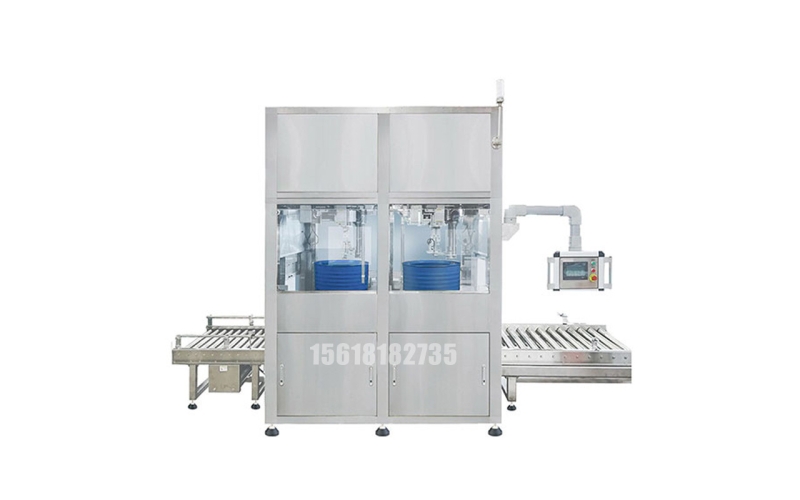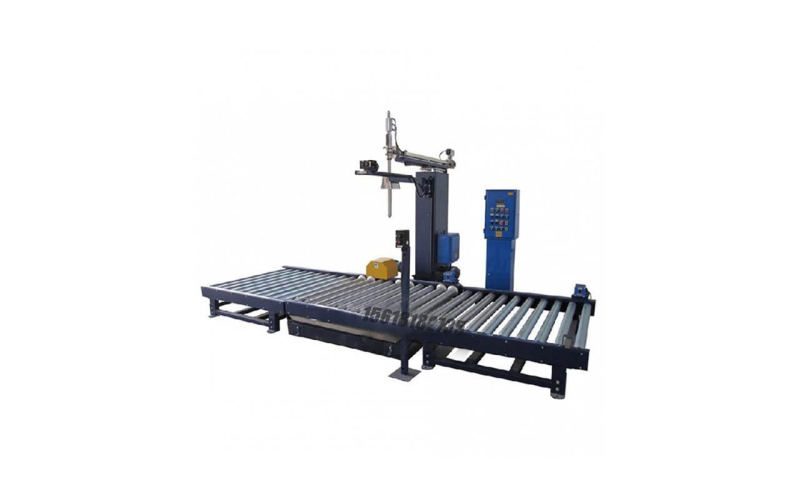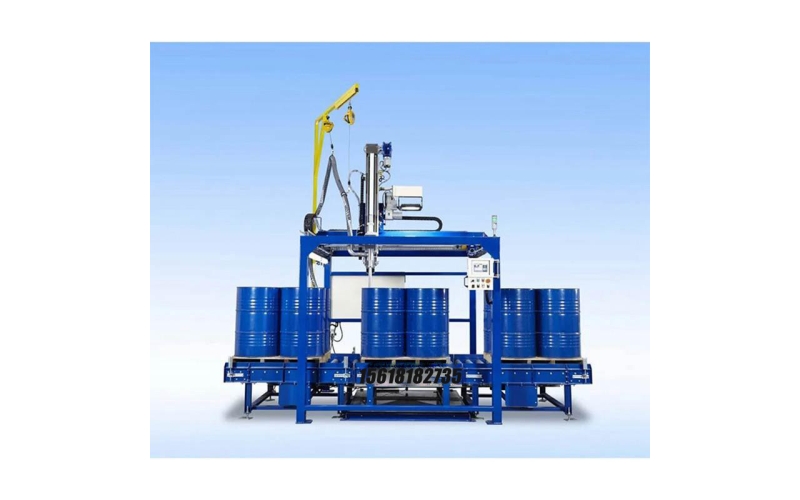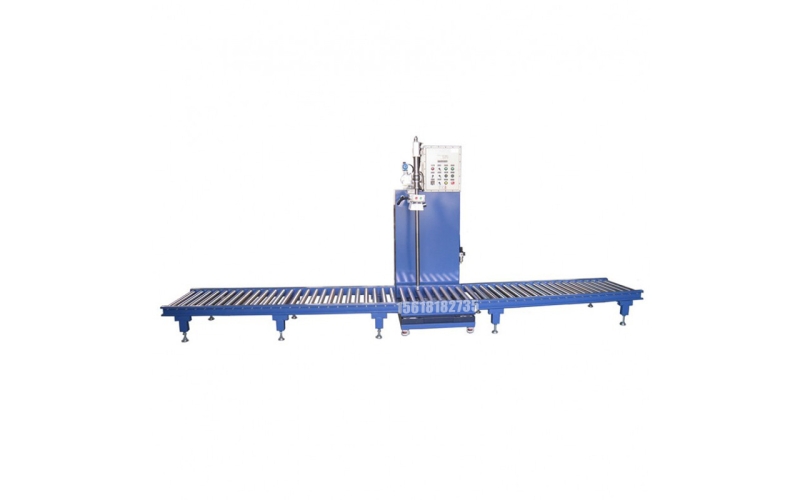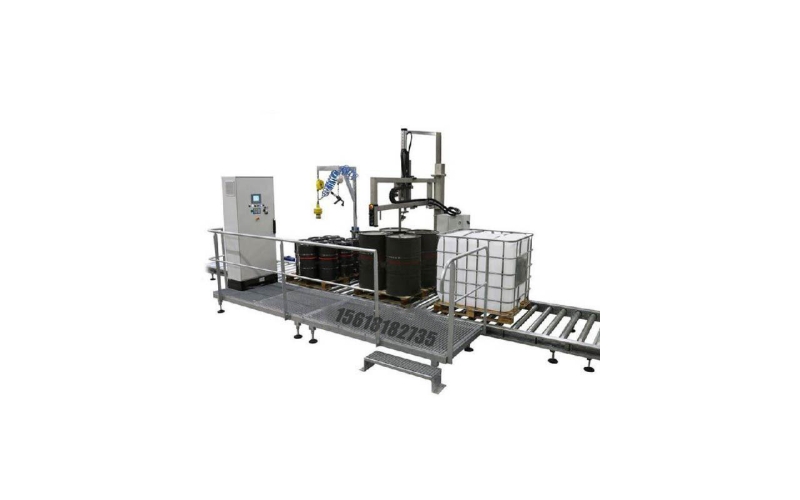
Linear inline filling systems dominate small and medium-batch production, yet they face obvious throughput limitations for large-scale manufacturing. Linear single-row operation processes only a limit
2026-09-02 admin 6
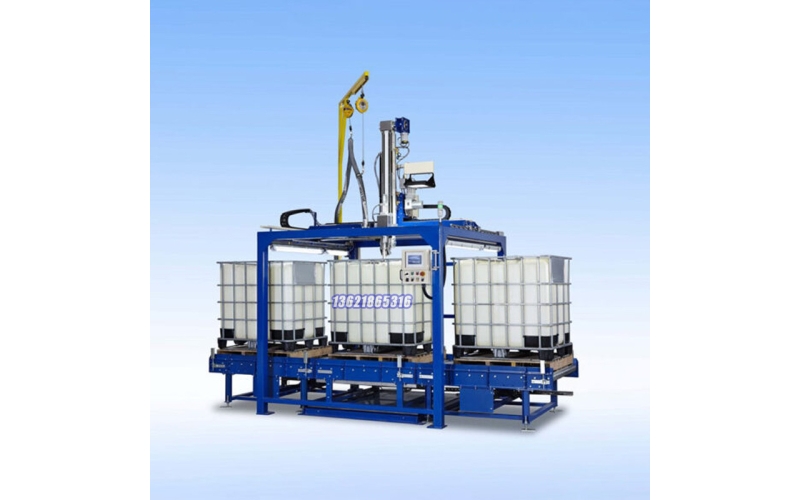
Most standard filling equipment is engineered exclusively for liquid and viscous materials, making them completely incompatible with fine powders, ultrafine dust, and granular powder blends. Liquid fi
2026-09-01 admin 4
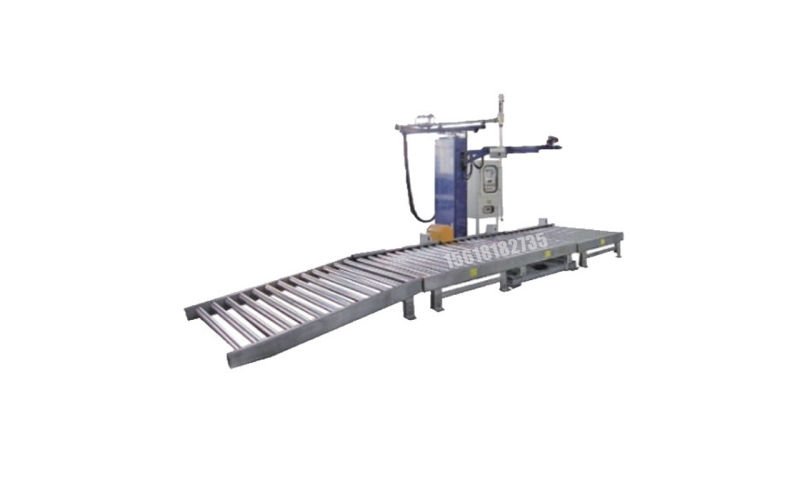
Most conventional filling machines rely on stainless steel or rubber valve components that suffer from aging, corrosion, and micro-leakage during long-term operation. Metal valves wear down gradually
2026-08-31 admin 3
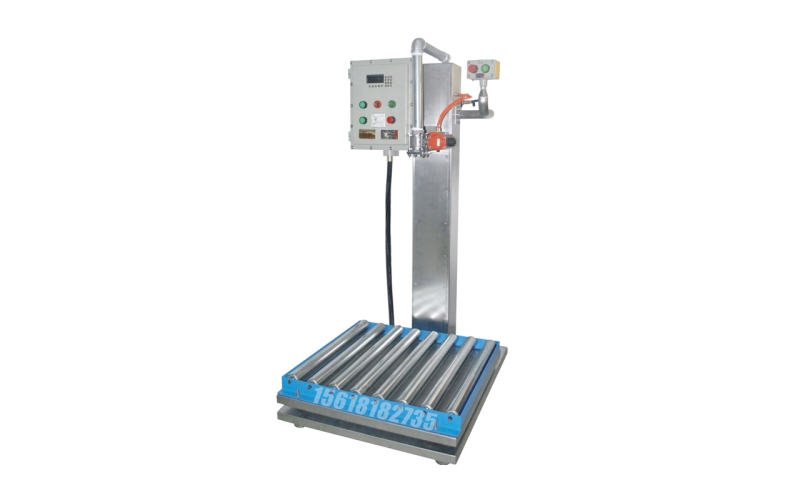
Fully automatic filling lines deliver high output but often come with high upfront costs, complex installation, and rigid production requirements that burden small factories and startup manufacturers.
2026-08-28 admin 4
Many small-scale manufacturers and startup production lines face a common dilemma: fully automatic filling lines require massive capital investment and fixed workshop layouts, while manual filling del
2026-08-27 admin 5
Many small and medium manufacturing enterprises face a critical equipment dilemma: fully automatic filling lines require massive capital investment and fixed workshop layouts, while manual filling suf
2026-08-26 admin 5
Standard industrial filling machines are built for common water-based, non-flammable liquids and fail to meet strict safety standards for volatile, flammable, and solvent-based materials. Conventional
2026-08-25 admin 4
Most standard filling machines struggle with medium and high-viscosity fluids, leading to unstable flow, inconsistent dosing, and messy production environments. Traditional piston fillers suffer from
2026-08-24 admin 1