

Vacuum Filling Machine: Negative Pressure Liquid Filler for Foam-Sensitive & Oxidation-Prone Products
2026-08-20 08:20:10
admin
4
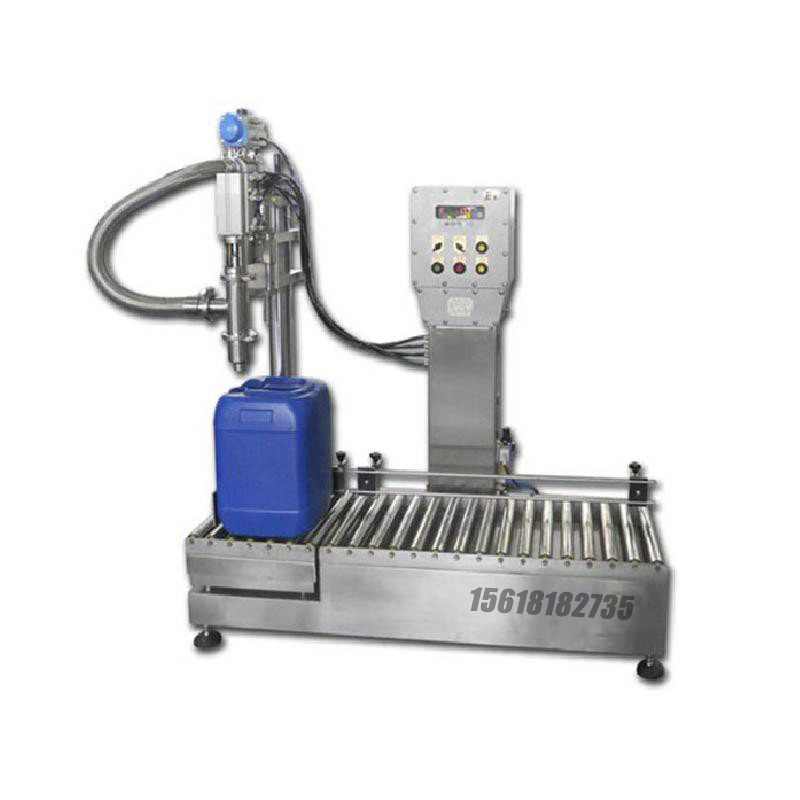
Most conventional filling machines rely on gravity, mechanical extrusion, or positive pressure feeding, which frequently trigger severe foaming, liquid splashing, and oxidative deterioration for delicate liquids. Thin bubble-prone liquids such as red wine, fruit juice, perfume, and herbal extracts are easily damaged by air contact and turbulent flow during filling, resulting in faded flavor, short shelf life, and uneven liquid levels. Standard fillers struggle to suppress foam and isolate oxygen, causing massive product waste and inconsistent batch quality. This Google E-E-A-T compliant SEO article focuses exclusively onvacuum filling machines, a specialized negative-pressure filling technology never featured in our previous equipment guides. By creating sealed low-pressure environments to draw liquid steadily, it delivers foam-free, anti-oxidation, and level-uniform filling for oxidation-sensitive liquids. This 1000-word guide covers its working principle, core advantages, industrial applications, limitations, and professional purchasing tips for premium liquid manufacturing.
Premium liquid production faces inevitable challenges from air exposure and flow turbulence. Many delicate beverages, essences, and chemical solutions contain active ingredients that degrade rapidly when contacting oxygen. Traditional open filling processes agitate liquids violently, generating abundant foam that leads to overflow waste and untrimmed bottle mouths. Moreover, manual defoaming and post-filling leveling cannot guarantee consistent fill heights, ruining retail shelf uniformity and brand professionalism. Vacuum filling machines completely solve these industry pain points. Different from all positive-pressure and gravity filling methods, it adopts negative-pressure suction filling to eliminate turbulence, isolate external air, and auto-recover excess liquid, achieving high-standard filling for fragile liquid formulas without ingredient loss or quality degradation.
Working Principle of Vacuum Filling Machines
Vacuum filling machines adopt sealed negative-pressure suction filling technology, with a unique operating mechanism distinct from piston, gear pump, overflow, and inline filling systems. Core components include vacuum pump units, sealed filling chambers, anti-foam filling valves, excess liquid recovery pipelines, airtight bottle sealing bases, and PLC pressure monitoring systems. The entire filling process operates in an oxygen-isolated negative-pressure environment.
During operation, bottles are tightly sealed against filling valves to form an independent closed chamber. The vacuum pump extracts internal air to form stable negative pressure inside the container. Under pressure difference, liquid materials are smoothly sucked into the bottle without mechanical extrusion or gravity impact. Once the liquid reaches the preset standard level, the vacuum system automatically balances pressure to stop feeding instantly. Excess residual liquid and floating foam are sucked back into the material tank through the recovery pipeline, realizing automatic material recycling. The airtight negative-pressure environment eliminates liquid turbulence, prevents foam generation, and isolates oxygen contact throughout the whole process.
Core Advantages Over Traditional Fillers
Professional negative-pressure vacuum filling delivers exclusive strengths for delicate liquid production:
Zero Foam & Splash-Free Filling. Vacuum suction eliminates liquid agitation and turbulent flow, completely avoiding foam overflow and bottle mouth contamination for clean and neat filling results.
Powerful Anti-Oxidation Performance. Sealed negative-pressure environment minimizes oxygen contact, protecting active ingredients, original flavor, and color of premium liquids to extend product shelf life significantly.
Perfect Liquid Level Uniformity. Auto-recovery of excess liquid ensures identical fill height for every bottle, greatly improving retail display consistency and product grade.
Zero Material Waste. The closed-loop liquid recovery system recycles all residual materials, reducing raw material loss and lowering long-term production costs.
High Hygiene & Stability. Isolated filling environment effectively prevents external dust and impurity contamination, meeting strict hygiene standards for food, cosmetic, and pharmaceutical liquids.
Key Industrial Application Scenarios
Vacuum filling machines are professionally optimized for foam-sensitive and oxidation-prone liquid products:
Alcoholic Beverage Industry: Red wine, fruit wine, craft liquor, and low-alcohol fermented drinks requiring flavor retention and foam-free filling.
Premium Beverage Industry: Fresh fruit juice, herbal tea, plant extracts, and vitamin drinks vulnerable to oxidation and bubble disturbance.
Cosmetic & Fragrance Industry: Pure perfume, floral water, and natural plant essences with volatile aromatic ingredients and strict purity requirements.
Fine Chemical & Pharmaceutical Industry: Medicinal liquids, herbal extracts, and mild chemical reagents needing anti-oxidation and hygienic filling processing.
Technical Limitations & Selection Guidelines
Vacuum filling machines have clear application boundaries. They are only suitable for low-viscosity, particle-free liquids and cannot process high-viscosity pastes or particle-containing suspensions. Ultra-high-speed mass production efficiency is lower than positive-pressure filling lines. This equipment is the best choice for manufacturers focusing on product quality retention and high-end standardized packaging.
Common Industry Misconceptions
Many manufacturers worry vacuum filling affects production speed. Modern upgraded vacuum systems support synchronous multi-head filling, balancing high quality and stable output for commercial batch production. Others fear negative pressure damages liquid ingredients; mild suction force avoids mechanical shear and protects active substances completely.
Conclusion
Vacuum filling machines fill the market gap in anti-oxidation and foam-free premium liquid filling, solving flavor loss, foaming waste, and uneven liquid levels of traditional filling equipment. With sealed negative-pressure protection, automatic material recovery, hygienic filling performance, and perfect batch consistency, it meets the high-standard production demands of delicate and high-value liquid products. For enterprises upgrading premium product lines and pursuing stable quality and high-end packaging effects, vacuum filling machines are the most professional and reliable automated filling solution.


