

Overflow Filling Machine: Level-Consistent Filler for Uniform Bottle Liquid Packaging
2026-08-17 08:24:28
admin
3
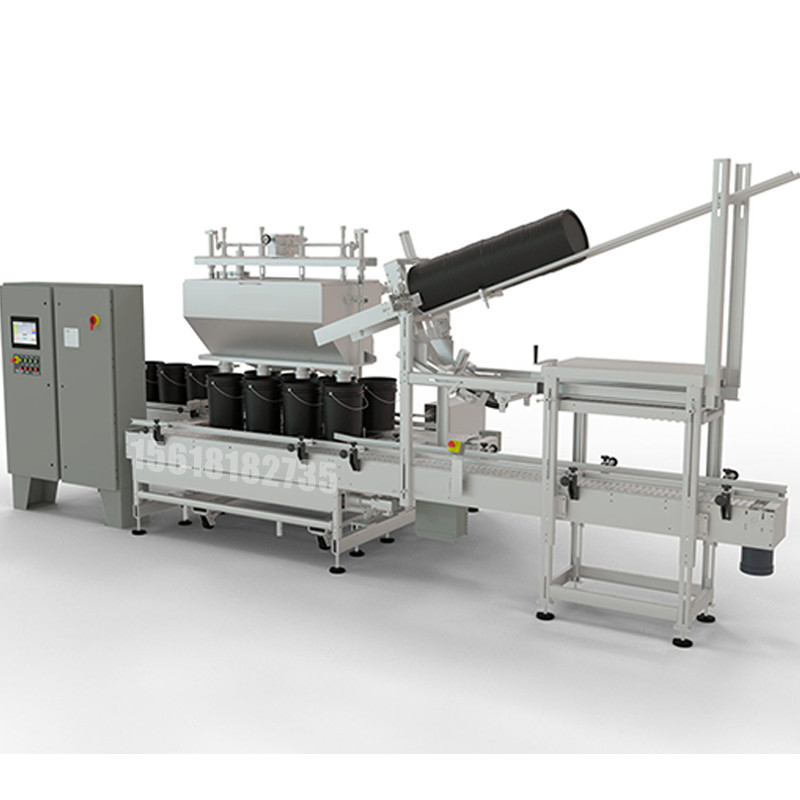
Most industrial filling equipment prioritizes fixed volume or weight accuracy but fails to deliver uniform liquid levels across finished bottles, hurting product shelf appearance and brand consistency. This original Google E-E-A-T compliant SEO article focuses exclusively on overflow filling machines, a specialized level-based filling technology never covered in our previous equipment guides. Unlike volumetric, gravimetric, or pump-driven fillers that measure material quantity, overflow fillers prioritize identical liquid fill heights for every container, solving uneven bottle levels caused by minor container dimensional differences. This 1000-word professional guide covers its working principle, core advantages, technical limitations, key applications, and practical buying tips for global beverage, cosmetic, and household product manufacturers.
Visual uniformity is a critical selling point for retail bottled products, yet most standard filling systems overlook this key factor. Slight deviations in bottle mold thickness, bottom flatness, and opening height inevitably cause inconsistent liquid levels after volumetric or weight filling, even with precise dosing. Uneven fill levels make product batches look unstandardized, reducing shelf appeal and triggering consumer distrust. Additionally, thin, foamy liquids often produce irregular fill heights with conventional fillers. Overflow filling machines completely resolve these pain points. Designed with overflow circulation technology, they automatically unify liquid levels regardless of tiny container differences, delivering visually flawless and retail-ready bottled products for mass commercial production.
Working Principle of Overflow Filling Machines
Overflow filling machines adopt unique level-locking circulating filling logic, differing fundamentally from quantity-based filling systems. The core components include overflow filling nozzles, circulating recovery pipelines, constant-level control valves, photoelectric sensing modules, and PLC synchronous control systems. Its core design focuses on consistent liquid height rather than fixed material volume.
During operation, empty bottles are positioned accurately under specialized overflow nozzles. The machine initiates fast liquid injection, and once the liquid reaches the preset fixed height inside the bottle, excess fluid automatically flows back to the material tank through the overflow pipeline. The circulating recovery system maintains a stable liquid level threshold for every container, offsetting errors from minor bottle dimensional variations. After level calibration, the valve closes instantly to stop feeding, ensuring each finished bottle features the exact same liquid height. All liquid-contact parts adopt food-grade 316L stainless steel, supporting easy cleaning, repeated batch switching, and compliance with food and cosmetic hygienic standards.
Core Advantages Over Traditional Fillers
Overflow filling technology delivers exclusive retail-oriented strengths unmatched by quantity-based filling equipment:
Perfect Visual Batch Uniformity. Automatic overflow calibration unifies liquid levels for all bottles, eliminating uneven fill heights caused by minor container defects and greatly improving retail product aesthetics.
Foam-Free Stable Filling. Optimized nozzle structure and circulating pressure control reduce liquid agitation, effectively suppressing foam generation for thin, bubbly liquids like beverages and diluted cleaners.
Zero Liquid Waste. A closed-loop overflow recovery system recycles excess liquid completely, avoiding material loss common in manual trimming and overflow filling processes.
High-Speed Mass Production. Simple level-control workflow enables fast continuous filling, supporting high-output production lines while maintaining consistent product appearance.
Strong Container Adaptability. It tolerates minor dimensional errors in low-cost mass-produced bottles, reducing product defect rates caused by inexpensive container inconsistencies.
Key Industrial Application Scenarios
Overflow filling machines are widely adopted for retail-focused thin-liquid bottled production:
Transparent Beverage Industry: Fruit drinks, purified water, iced tea, and functional transparent beverages, ensuring neat and uniform shelf display effects.
Daily Chemical Industry: Transparent hand sanitizer, floral water, glass cleaner, and light detergent, standardizing retail bottle appearance for civilian consumer goods.
Low-Viscosity Cosmetic Industry: Transparent toner, floral essence, and diluted skincare liquids, improving high-end cosmetic product presentation.
Food Additive Industry: Transparent edible flavorings, food coloring solutions, and liquid preservatives, realizing standardized batch packaging.
Technical Limitations & Selection Guidelines
Overflow filling machines have clear application boundaries. They are exclusively suitable for low-viscosity, free-flowing transparent liquids and cannot process pastes, high-oil liquids, or granular suspensions. They prioritize level consistency over ultra-precise weight standards, making them unsuitable for weight-regulated industrial products. Manufacturers should choose overflow fillers for retail transparent bottled goods and gravimetric fillers for trade-weight-sensitive products.
Common Industry Misconceptions
Many buyers believe level-based filling sacrifices accuracy. In fact, qualified overflow machines maintain volume errors within commercial standards while achieving superior visual uniformity. Others think overflow circulation causes liquid contamination, but independent closed-loop pipelines isolate recycled materials and ensure batch cleanliness.
Conclusion
Overflow filling machines fill the market gap in retail-oriented standardized liquid packaging, solving uneven bottle levels and poor batch appearance of traditional quantity-based filling equipment. With precise level locking, foam-free operation, zero material waste, and high-speed production capacity, it optimizes product shelf performance and brand consistency. For beverage, daily chemical, and cosmetic manufacturers focusing on retail display quality and mass production standardization, overflow filling machines are a cost-effective and indispensable automated packaging solution.


